As 5G ramps up in the US, the coming tidal wave of 3G and 4G cell phones meant for disposition is going to drastically increase — marking one of the largest technological changes the US has ever seen.
The US led the world into the 4G network era in 2011. The result was nearly $100 billion added to the US annual GDP by 2016. The wireless industry was projected to contribute $350 billion in 2016 but instead realized a whopping $445 billion by the end of the year. The number of wireless-related jobs in the US increased by 84% between 2011 and 2014. US 4G leadership brought in around $125 billion in revenue to American companies — revenue that could easily have gone somewhere else had the US not led the 4G revolution. Now that 5G wireless technology is around the corner, it is no wonder that countries around the globe are competing furiously to become the new leaders in the upcoming wireless revolution.
What is the expected impact of 5G?
By some estimates, 5G wireless networks could deliver data at nearly 10 gigabits per second, compared to current 4G networks which peak at about 100 megabits per second — making 5G 100 times faster than 4G. 5G is also expected to have a much lower latency, meaning technology could work in fundamentally different ways. Imagine a VR headset that today needs to be connected to a PC via a USB cable because of the complex computations required to make the technology work. In a 5G network, this headset could become untethered, with the same computations happening in the cloud at low latency — possibly enabling entirely new ways to use these technologies.
It is widely expected that if the US is able to win the 5G race, the impact on the economy will be comparable to that of 4G in its heyday.
The infrastructure change required to enable 5G
While some 5G-enabled devices are already on the market, most current cell phones will not be able to access the 5G network. You will still be able to use these devices on their old networks, but new 5G-enabled phones will be needed to access the 5G network.
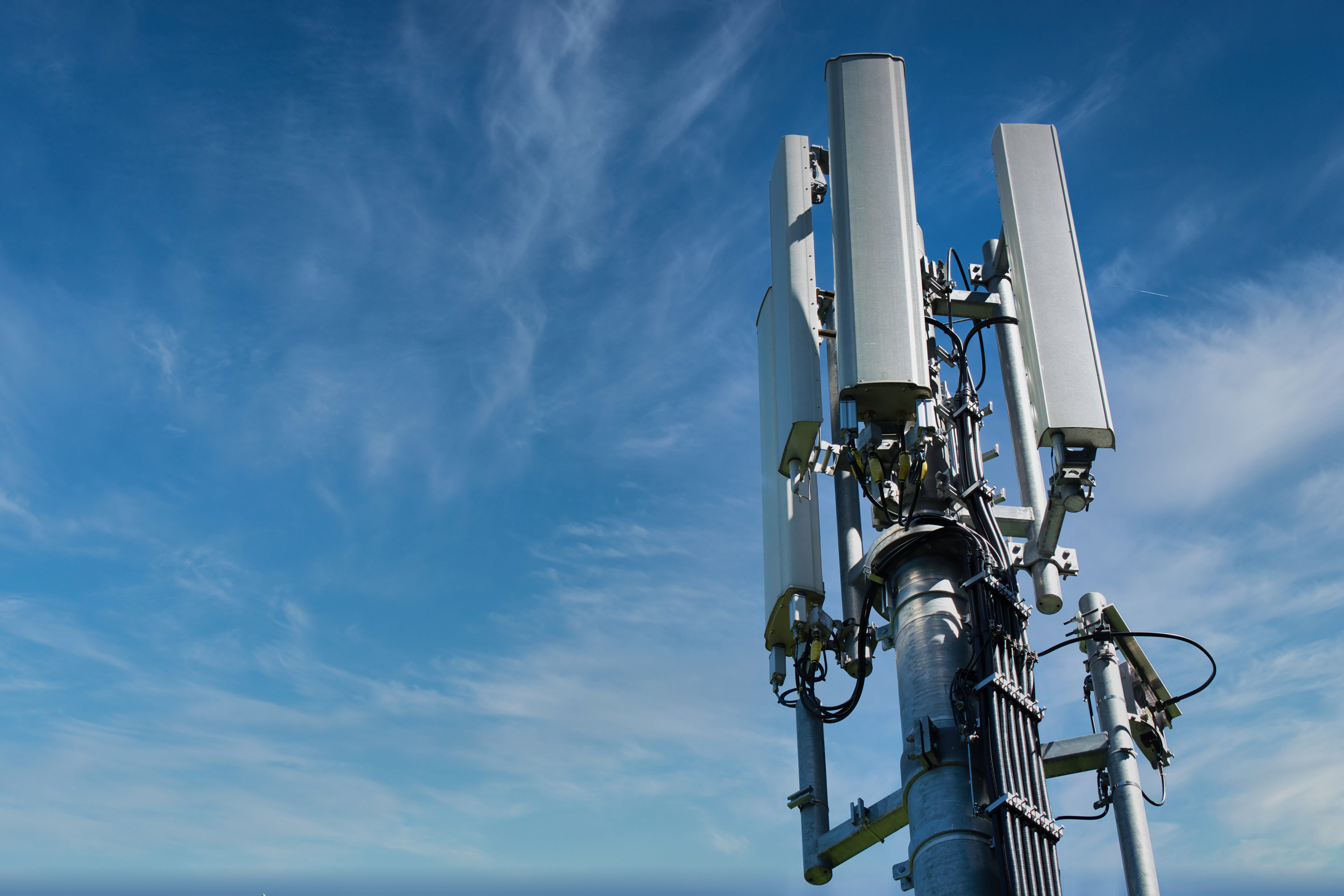
5G network infrastructure will also work differently. The 5G network uses smaller cell towers with a shorter range that will need to be dispersed across cities and towns in greater density to allow consistent coverage. These small cells will be placed inconspicuously on top of buildings, light poles, and more. Telecom companies will need to install millions of these new towers across cities and towns. Sparsely populated rural areas might not get 5G coverage at all.
The ever-growing tidal wave of e-waste
The underlying change in wireless infrastructure will result in more phones, tablets, and other cellular devices being discarded than ever before. The upgrades to cell phone towers and other related gear will also add to the tremendous growth of cellular e-waste in the US — and this has big environmental ramifications.
Fewer than 20 states in the US have landfill disposal bans on electronic items, including mobility products such as cell phones and tablets. These bans make it illegal to dispose of cell phones, tablets, and other electronics in landfills due to their toxicity, creating an ever-growing safety concern regarding e-waste contamination that can leak into drinking water.
With only about 15% of overall electronics responsibly recycled in the US, this creates a major problem for landfills. Proper education for both businesses and consumers is essential to get from 15% to 100% of properly recycled electronics. Since 2007, Apple has sold over 2.2 billion units around the world, and the average lifespan of an iPhone is now just two years. Research has also found that the carbon impact of Information & Communication Industry (ICT) items — including cell phones, computers, and servers — will go from 1% of the overall carbon footprint in 2007 to 14% by 2040, largely because cell phones are extremely complicated and use rare materials for components.
The cost to mine material for cell phones versus the cost to harvest components from outdated devices is significant — it costs 13 times more to mine raw material than to harvest the same components from retired hardware.
As more and more people want the latest and greatest technology, 3G and 4G phones will become obsolete in the US at a rapid pace. Businesses will also want their employees on the fastest mobile network in the world to increase productivity.
Finding the right ITAD and electronics recycling solutions provider
What does the 5G revolution mean for your enterprise organization? Significant mobility turnover will be taking place over the course of the next year as many corporations update to the latest 5G technology. When looking for a new ITAD provider, consider the following solutions to ensure proper data destruction and recycling of retired cell phones and tablets:
- Remarketing
- Redeployment
- Asset Registration & Serialization
- White-Glove Services
- Data Erasure & Physical Destruction
- Component Harvesting & Electronics Recycling
Finding an ITAD provider that can conduct all of the above will ensure brand protection and maximize revenue on your retired mobility products.
As for remarketing and resale of retired 3G and 4G phones, there are dozens of underdeveloped countries around the world that will still be on 3G and 4G networks. Having a dedicated ITAD provider with B2B and B2C sales channels to these countries will increase revenue on the resale of your mobility products. Your ITAD provider should constantly be monitoring global hardware technology markets and negotiating upward for increased revenue.
Where can tested working cell phones be remarketed?
A worldwide study on the most popular smartphones in 2019 found that the iPhone 7 is the most widely used cell phone on the market. In the US, iPhones hold the top 8 spots ranging from the iPhone 6s to the iPhone XS Max, with the Samsung Galaxy S8 and S9 rounding out the top ten. The iPhone 7 leads all devices with 7.85% market share, while the Samsung Galaxy S8 holds 2.98% in ninth position.
Sources
- CTIA — How America's 4G Leadership Propelled the US Economy
- How-To Geek — What is 5G and How Fast Will It Be?
- Cell Tower Lease Experts — 5G Cell Towers: Are They Safe?
- Lifewire — How Many iPhones Have Been Sold?
- Fast Company — Smartphones Are Wrecking the Planet Faster Than Anyone Expected
- DeviceAtlas — Most Popular Smartphones
- Science Daily — Mining vs. Harvesting Components from Retired Hardware