

Redeployment & Circularity
Extend asset life, recover more value
Move beyond the take-make-dispose model with Sprout. Keep IT assets in use longer through refurbishment, redeployment, resale, and responsible recycling, while recovered value helps fund your next move.

Certifications
Trusted by enterprise and hyperscale organizations worldwide

Diagnostics & Assessment
Every asset is serialized, tested, scored, and graded. SmartFlow® routing determines optimal disposition—redeploy, refurbish, remarket, or recycle—while reconciliation records maintain full inventory visibility across your hardware footprint.
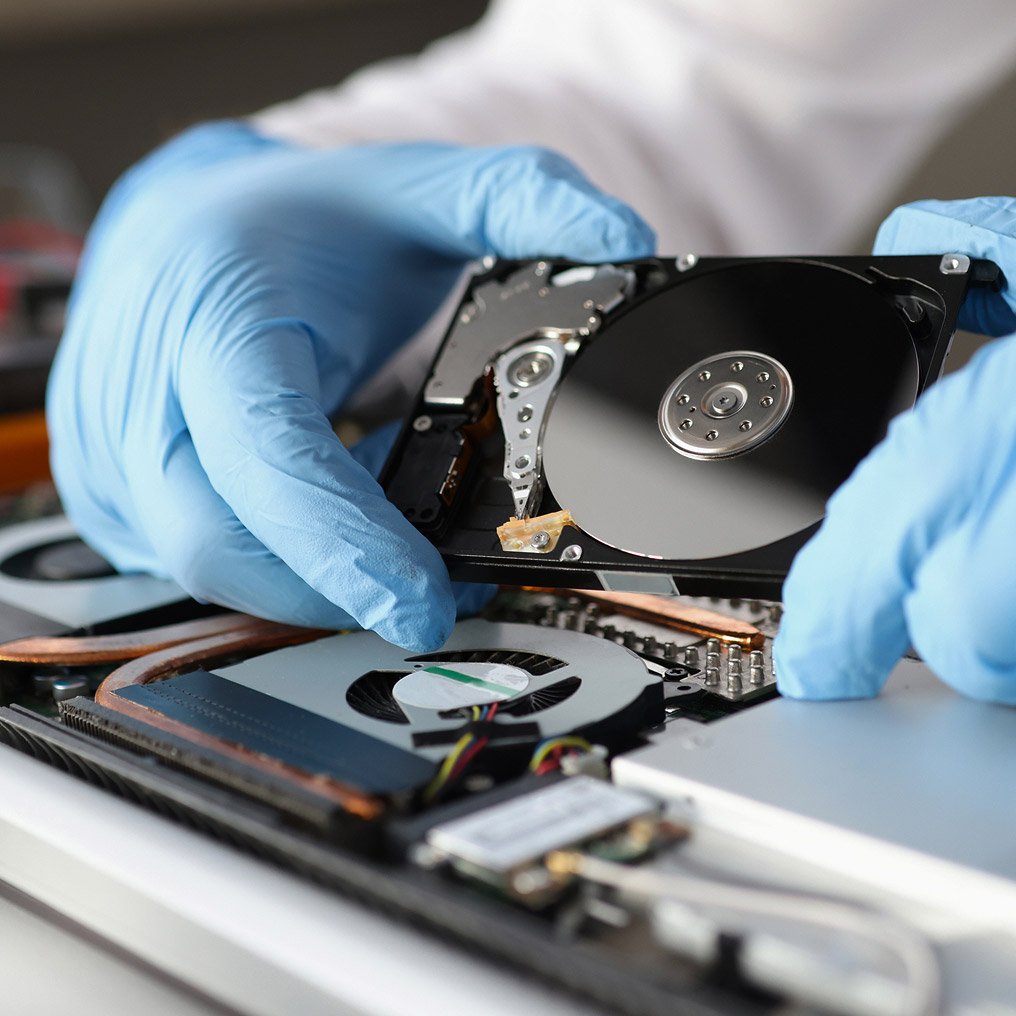
Secure Logistics & Data Sanitization
Secure logistics move assets safely across every stage. NIST 800-88-aligned data erasure removes sensitive data, with on-site destruction available. Every asset includes a serialized Certificate of Destruction.
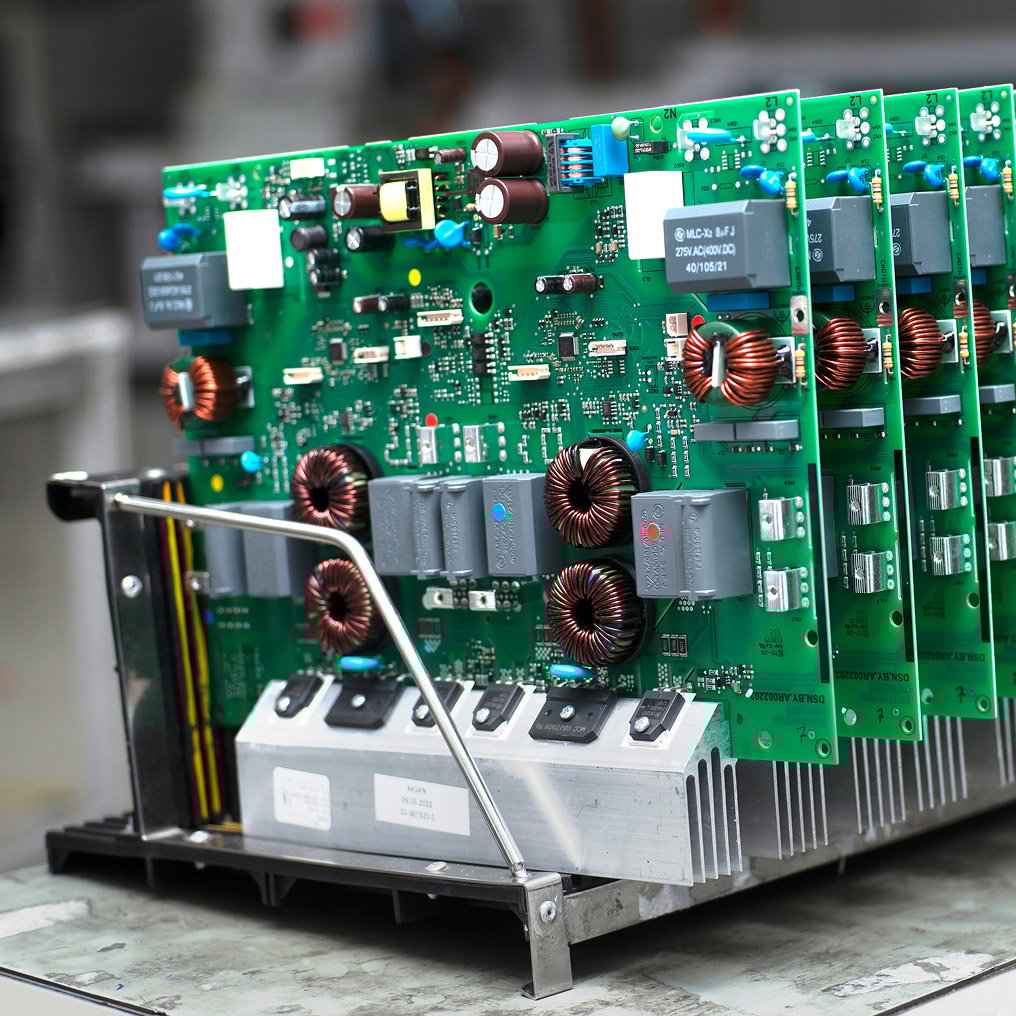
Asset Recovery & Redeployment
Usable assets are refurbished, tested, and redeployed or added to spare pools. Parts harvesting recovers components, reducing procurement costs, extending infrastructure life, and maximizing hardware ROI.

Remarketing & Resale

Zero-Landfill Recycling & ESG Visibility
Non-reusable assets are diverted from landfill through certified recycling. SmartERP tracks environmental impact, compliance, and value recovery in real time, delivering audit-ready reporting for sustainability and executive stakeholders.

Powering circular lifecycle intelligence with SmartERP
Service requests, inventory, and program outcomes are tracked through Sprout's SmartERP, a tech-driven asset lifecycle management platform. SmartERP provides clear reporting on recovered asset value and program outcomes, along with one-click compliance and ESG documentation.
Featured Resources
Insights for teams building circular technology lifecycles
Frequently Asked Questions
What is IT asset redeployment?
IT asset redeployment extends the useful life of technology by redistributing equipment within an organization rather than retiring it. Instead of immediately disposing of devices during refresh cycles, viable assets can be evaluated, refurbished, and redeployed — maximizing the use of existing assets and reducing the need for new purchases.
Sprout captures every asset at the serial level, runs diagnostic testing, generates a health score and cosmetic grade, and routes each device to its optimal outcome using Sprout's intelligent routing system.
What does a circular IT lifecycle program look like?
A circular IT lifecycle program keeps technology in productive use for as long as possible — rather than following a traditional take-make-dispose model. When Sprout processes retired equipment, each device is evaluated and routed to its highest-value outcome: internal redeployment, refurbishment for resale, or responsible recycling when reuse is no longer viable.
Recovered resale value is returned to the customer as credits that can fund future Sprout lifecycle services — including support, redeployment, or reinvestment in other Sprout programs. Your retired assets fund your next move.
How does Sprout ensure data security during redeployment or resale?
Every device processed through Sprout's program undergoes NIST 800-88-aligned data sanitization. Each asset receives a serialized Certificate of Destruction. For data center equipment, on-site data destruction ensures sensitive information is secured before equipment leaves client premises. Chain-of-custody records are maintained throughout the process.
How does Sprout recover more resale value than other providers?
Sprout typically achieves 20–40% higher resale value than competitors. This is the result of deep relationships with global wholesalers and a proprietary eCommerce engine. Speed to market also matters: faster processing means less depreciation and higher recovery value.
What types of assets can be redeployed or remarketed?
End-user devices including laptops, desktops, tablets, mobile phones, and network equipment are commonly evaluated for refurbishment and internal reuse or resale. Data center infrastructure including servers, storage systems, networking equipment, memory modules, and other components can also be included in circular programs.
Sprout evaluates each asset individually to determine the optimal path: redeployment, spare pool, remarketing, or certified recycling.
How does SmartERP improve lifecycle visibility?
SmartERP is the operational platform behind Sprout’s lifecycle services, providing real-time visibility into every asset processed through a redeployment or circularity program. Instead of relying on spreadsheets or fragmented vendor updates, infrastructure teams gain a centralized system of record for every device.
Each asset is tracked at the serial level from intake through testing, data sanitization, refurbishment, resale, or recycling. SmartERP captures asset condition, recovery value, security documentation, and compliance records in one unified platform.
This visibility allows organizations to monitor asset status, track recovery outcomes, and generate compliance documentation instantly. By replacing manual tracking with automated lifecycle intelligence, SmartERP gives enterprises the data needed to manage technology assets more strategically.
How does Sprout support ESG and sustainability reporting?
Sprout quantifies economic and environmental impact in a format that wins executive and shareholder support. Reporting covers outcomes across efficient reverse logistics, data-driven lifecycle management, and responsible disposition. Sprout’s proprietary platform, SmartERP, provides one-click compliance and ESG documentation.

Build a circular lifecycle strategy with Sprout
Sprout extends the life of IT assets through refurbishment, redeployment and resale so you can use recovered value to fund your next move.